The Rise of Virtual Reality in E-Commerce
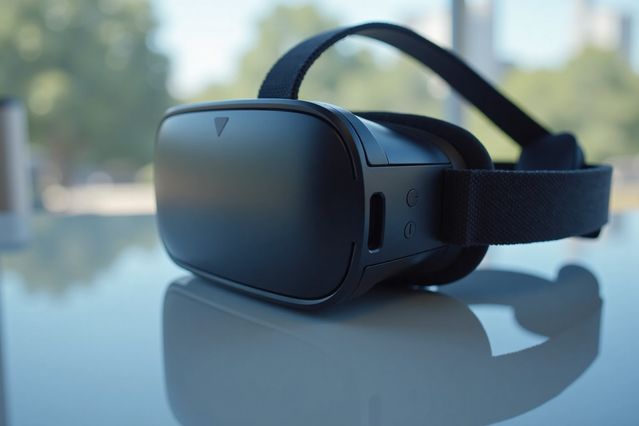
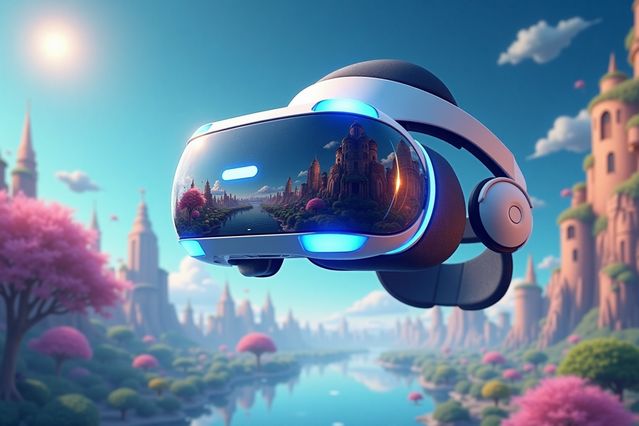
Virtual reality (VR) technology has emerged as a game-changer in the e-commerce industry. With its ability to provide immersive and interactive experiences, VR is transforming the way consumers shop online. Traditional e-commerce platforms often struggle to replicate the sensory experience of physical retail stores, but VR bridges that gap by allowing customers to explore products in a virtual environment.
Enhancing Product Visualization
One of the key advantages of VR in e-commerce is its ability to enhance product visualization. Instead of relying on static images or videos, customers can now view products in 3D and even interact with them. This level of immersion provides a more realistic representation of the product, allowing customers to make more informed purchasing decisions. Whether it's trying on virtual clothes or examining the details of a product from every angle, VR brings a new level of engagement to online shopping.
Improving Customer Engagement
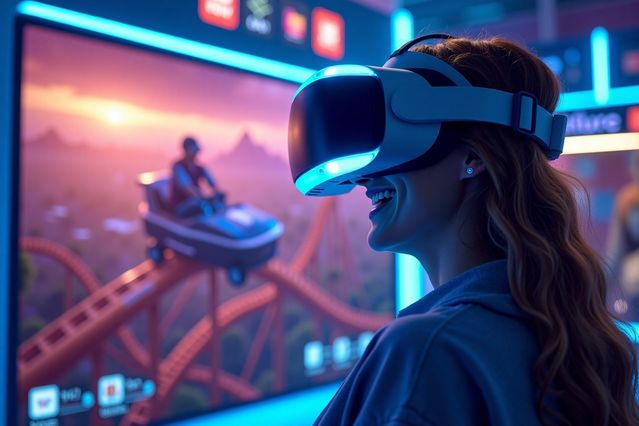
Virtual reality technology also improves customer engagement in the e-commerce space. By creating virtual storefronts or showrooms, brands can offer a unique and memorable shopping experience. Customers can explore these virtual environments, browse products, and even interact with virtual sales assistants. This level of interactivity fosters a deeper connection between the customer and the brand, leading to increased customer satisfaction and loyalty.
Personalizing the Shopping Experience
With VR, e-commerce platforms can personalize the shopping experience like never before. By analyzing user data and preferences, VR systems can recommend products tailored to each individual customer. Imagine walking into a virtual store where the entire inventory is curated just for you. This level of personalization not only saves customers time but also enhances their overall shopping experience.
Overcoming Limitations and Challenges
While virtual reality offers tremendous potential for e-commerce, it is not without its limitations and challenges. One of the main hurdles is the cost of VR technology. Both businesses and customers need to invest in VR headsets and equipment, which can be a barrier to entry for some. Additionally, creating high-quality VR content requires technical expertise and resources. However, as technology advances and becomes more accessible, these barriers are likely to diminish.
Ensuring a Seamless Experience
Another challenge is ensuring a seamless user experience. VR applications must be user-friendly and intuitive, allowing customers to navigate through virtual environments effortlessly. Additionally, VR experiences should be optimized for different devices and platforms to reach a wider audience. By addressing these challenges, businesses can maximize the potential of VR technology in e-commerce.