Enhancing the Shopping Experience
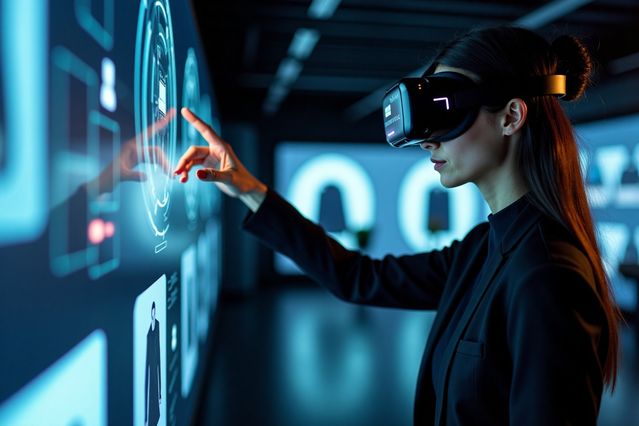
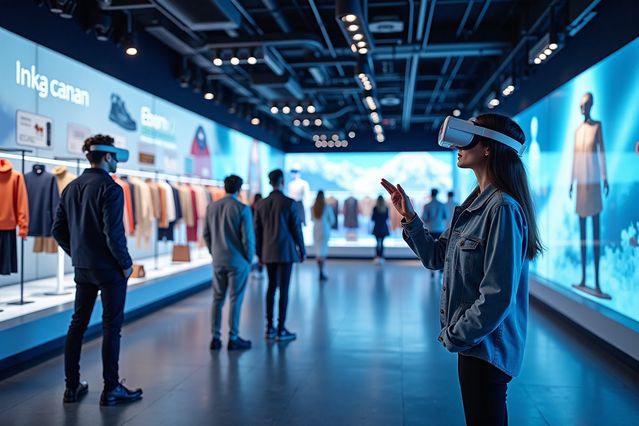
Virtual reality has the power to transform the way we shop by creating immersive and interactive experiences. Imagine being able to walk through a virtual store, browse products, and make purchases without leaving your home. With VR, retailers can recreate real-world shopping environments, allowing customers to explore and interact with products in a virtual space.
Virtual Fitting Rooms
One of the most exciting applications of VR in shopping is virtual fitting rooms. Trying on clothes virtually eliminates the need to physically try them on, saving time and providing a convenient and personalized experience. Customers can see how different outfits look on them without stepping foot inside a physical fitting room.
Increasing Customer Engagement
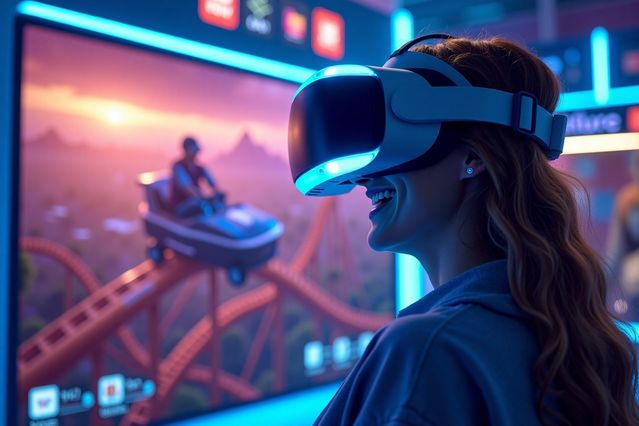
VR offers a unique opportunity for retailers to enhance customer engagement. By creating immersive and interactive experiences, brands can capture the attention of their target audience and provide a memorable shopping experience. Virtual shopping experiences can include interactive product demonstrations, virtual showrooms, and even virtual events or fashion shows.
Virtual Product Demonstrations
VR allows customers to experience products in a way that traditional shopping cannot replicate. For example, customers can virtually test drive a car, try out a new makeup product, or even explore the interior of a home before making a purchase. These immersive experiences not only engage customers but also help them make more informed buying decisions.
Shaping the Future of Retail
Virtual reality has the potential to revolutionize the retail industry by bridging the gap between online and physical shopping. It offers a new way for retailers to connect with customers, expand their reach, and differentiate themselves in a crowded market.
Enhanced Accessibility
VR opens up new possibilities for customers who may have limited physical mobility or live in remote areas. It allows them to access a wide range of products and experiences without the need to travel or navigate physical stores. Virtual shopping experiences can also cater to customers with specific needs, such as those with visual impairments who can benefit from audio descriptions and haptic feedback.