
Understanding the Risks
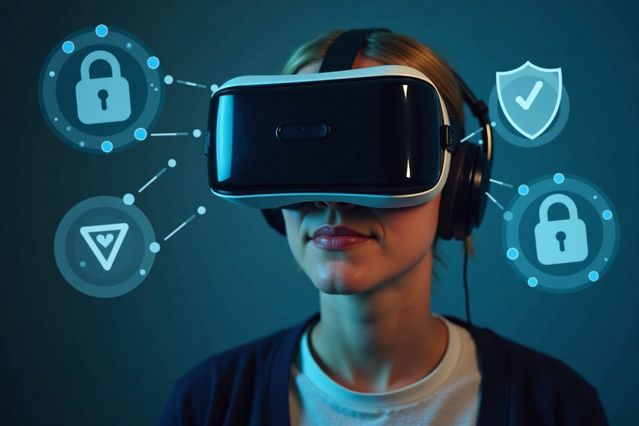
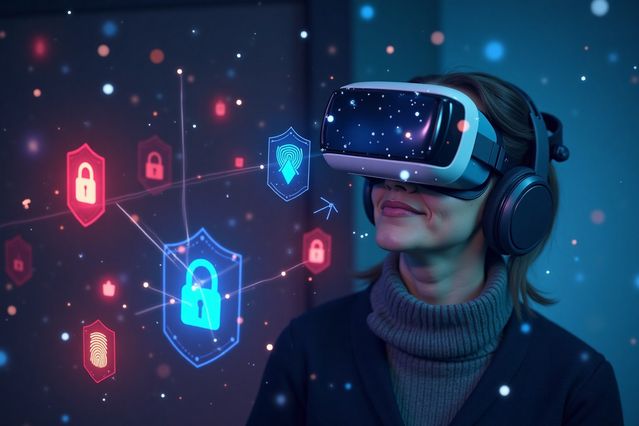
As VR continues to revolutionize the way we shop, it also introduces new security and privacy challenges. One of the primary concerns is the potential for data breaches and unauthorized access to personal information. VR platforms collect data on user behavior, preferences, and even physical movements, which can be attractive targets for hackers.
Protecting Personal Information
To safeguard personal information, users should be cautious about the VR platforms they engage with. It is essential to choose reputable platforms that prioritize security and have robust privacy policies in place. Additionally, users should carefully review the permissions and access requested by VR applications and only provide the necessary information.
Ensuring Secure Transactions
When making purchases in VR, it is crucial to ensure secure transactions. Users should look for platforms that use secure payment gateways and encryption technologies to protect financial information. It is advisable to avoid entering credit card details directly into VR environments and instead opt for trusted third-party payment processors.
Verifying Seller Legitimacy
To mitigate the risk of fraudulent sellers, users should verify the legitimacy of VR e-commerce vendors. This can be done by researching the company, reading user reviews, and checking for secure website connections (HTTPS). It is also advisable to use trusted marketplaces or VR platforms that have implemented seller verification processes.
Protecting Against Malware and Phishing Attacks
VR experiences often involve downloading and installing applications, which can expose users to malware and phishing attacks. To protect against these threats, it is essential to only download applications from reputable sources and verify the authenticity of the developer. Users should also keep their VR devices and software up to date with the latest security patches.
Educating Users about Virtual Scams
To combat virtual scams, users should be educated about common tactics employed by cybercriminals. This includes being cautious of unsolicited offers, not sharing personal information in VR environments unless necessary, and avoiding clicking on suspicious links or downloading unknown files. Awareness and vigilance play a significant role in protecting oneself from virtual scams.